Schools Bought 9,000 Ed-Tech Tools. Teachers Didn’t Choose a Single One.
How the accountability era turned classroom technology into a compliance machine — and what it cost us
If you have spent any time on teacher TikTok or Instagram
lately, you know the mood. Educators are done with technology. The devices that were supposed to transform learning have become glorified test-prep terminals. The platforms administrators mandate feel like surveillance dressed up as support. The enthusiasm that once greeted a new tool has curdled into exhaustion.
That frustration is real. And it is completely justified.
But teachers are not frustrated with technology. They are frustrated with what technology was conscripted to do.
There is a difference. Naming it changes everything.
The Dream Was Real — and It Had a Framework
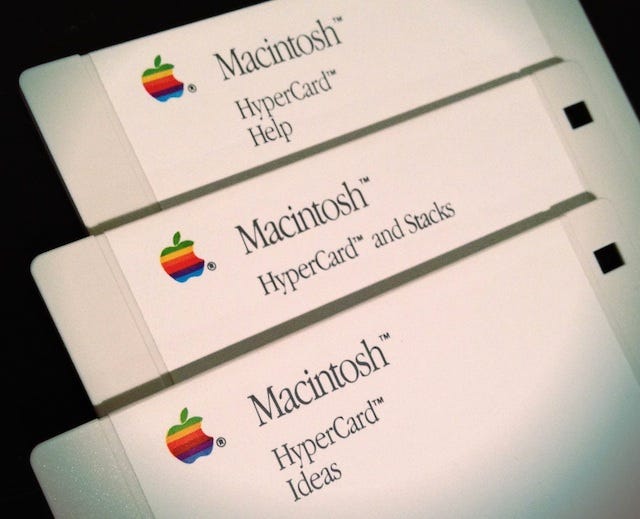
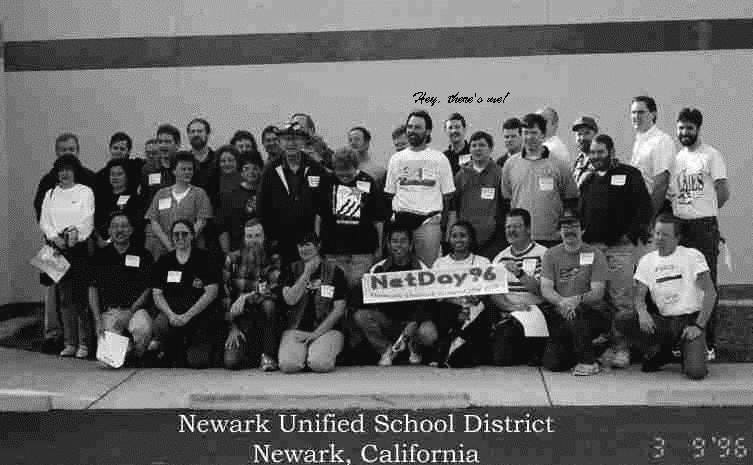
For a stretch in the late 1980s and 1990s, technology in schools pointed somewhere genuinely exciting. Students were building multimedia projects. Classrooms were connecting across state lines through early internet tools. Net Day in 1996 was not about faster test delivery — it was about students as creators, investigators, publishers.
The International Society for Technology in Education codified that vision in its ISTE standards: students as empowered learners, digital citizens, knowledge constructors, innovative designers. Researchers built the SAMR framework to describe what transformative tech use looked like — students not just substituting paper for screens, but doing things that could not exist without the technology. Connecting. Creating. Redefining what school could produce.
Teachers were trained on that vision.
Then districts bought something else entirely.
What the Accountability Era Actually Built
In 2002, No Child Left Behind became law. Schools were now accountable for one thing above all: standardized test scores in reading and math. Within a few years, nearly 71% of schools had reduced instruction time in history, arts, and music to make room for tested subjects.
Technology did not escape this logic. It got absorbed by it.
Software publishers saw the market and moved fast. If a platform could generate a data dashboard, track a benchmark, and produce a report for the next board meeting, it had a buyer. Not a teacher buyer. An administrator buyer. The sales pitch was not about learning. It was about accountability, efficiency, and defensible numbers.
The result is what we have now: districts running more than 9,000 distinct ed-tech products, generating over 57 billion student interactions in a single school year. That is not a technology ecosystem. That is an industry.
And here is the detail that should stop you cold: only 32% of the most widely used ed-tech tools have published any research meeting even the lowest federal evidence standards. The tools are everywhere. The proof they work is almost nowhere.
The Dashboard Is Not Evidence. It Just Looks Like It.
Safiya Noble calls this the mythology of objectivity — data-driven platforms appear neutral and scientific precisely because they were designed to look that way. The dashboard does not look like a sales tool. It looks like evidence. When a curriculum director can show a graph of student progress minutes to a skeptical school board, the question of whether those minutes produced actual learning rarely gets asked.
This is managerialism dressed as pedagogy. And it has been enormously profitable.
The Mountain Was Fenced Off
The ISTE standards still exist. The SAMR vision is still valid. But the conditions that make transformative tech use possible — teacher autonomy, time for project-based work, freedom to assess process rather than product — were systematically dismantled. Teachers did not fail to climb the mountain. The mountain was fenced off and replaced with a subscription service.
Naming that system is the first step toward working around it.
The next time a platform feels like a compliance tool rather than a creative one, ask who chose it and why. Ask what problem it was actually designed to solve — and for whom. Ask who profits when your students log their minutes. The answers will tell you more about your school’s relationship to power than any dashboard ever will.
Tomorrow we go deeper: what specifically got lost, and what a different future could look like.
Use This Today
Ask your students: If you could use technology to make or share something real — not for a grade, just because it mattered — what would it be? Their answers will tell you exactly what the compliance machine has been costing them.
AI Prompt for Your Classroom:
“Create a 30-minute discussion guide for middle school (grades 6-8) students exploring how technology tools are chosen in their school and who benefits from those choices.
Students have used school-mandated platforms like iReady or similar tools but have not analyzed how or why those tools were selected.
The activity should help students evaluate the difference between technology designed for learning versus technology designed for data collection, connecting to Safiya Noble’s concept of the mythology of objectivity — the idea that data-driven tools appear neutral while serving specific institutional interests.
Include:
4 discussion questions progressing from: ‘What technology do you use most at school?’ → ‘Who decided you would use it?’ → ‘What does it measure, and who sees that data?’ → ‘If you could design a school technology tool, what problem would it actually solve?’
A simple T-chart: ‘What this tool does for students’ vs. ‘What this tool does for administrators’
Scaffolded sentence stems: ‘I notice this tool measures ___, which benefits ___ because ___’
Extension: Students research one ed-tech company’s business model and present a one-paragraph analysis of who their actual customer is
Format as a step-by-step discussion guide with time estimates for each phase.”